
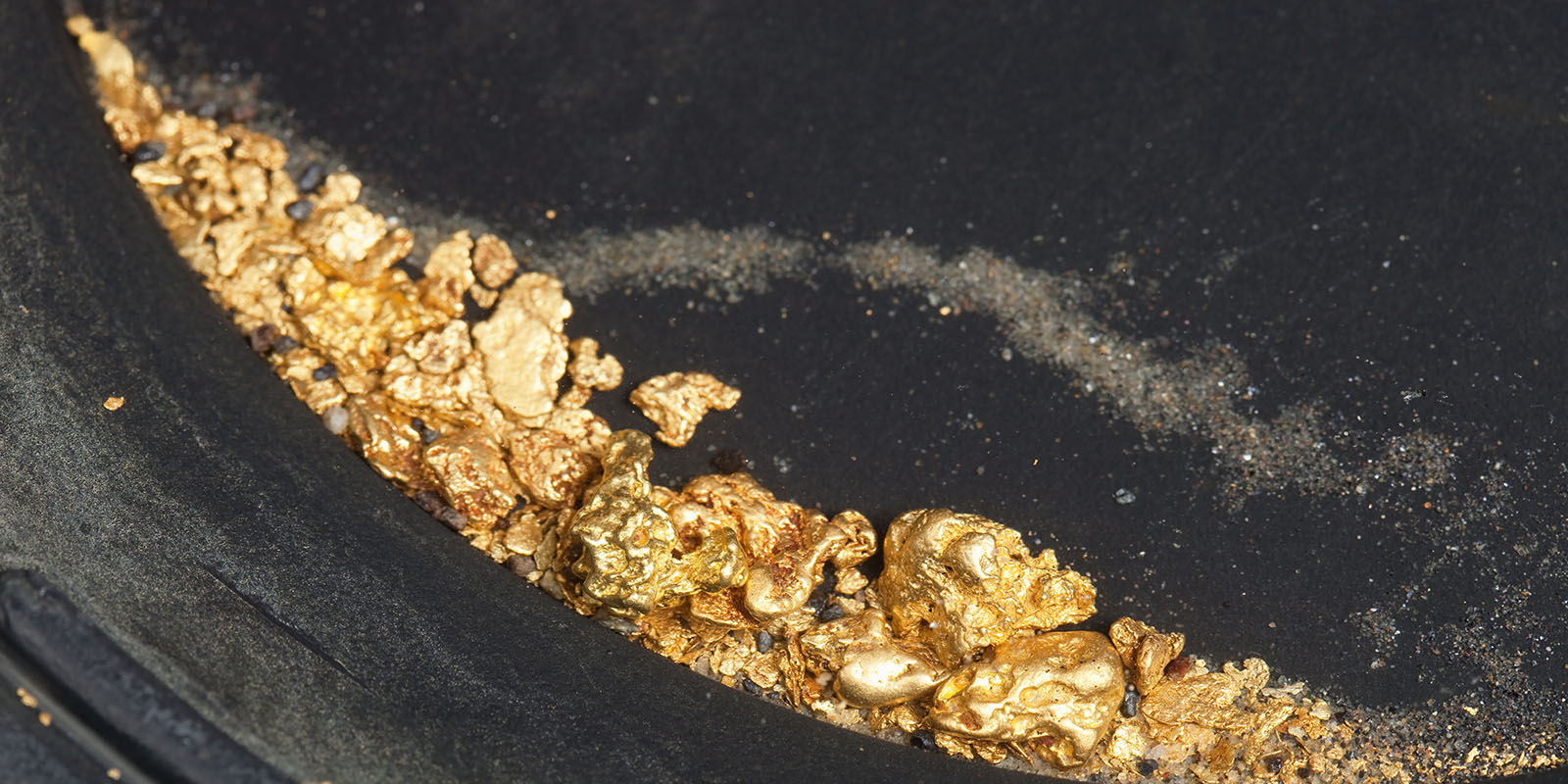
Gold prices have been on an upward trajectory for the past two years, with a weak Australian dollar boosting the price in local currency even further. While we don’t foresee this rapid rise continuing in the short term, the investment proposition for many Australian small cap gold stocks still appears attractive, even if prices were to pull back 10-20%.
The gold price is driven by demand in four main areas: jewellery, technology and industrial, investment and central banks. Today, the primary driver of global demand is central banks purchasing gold to reduce their exposure to the US dollar, given the geopolitical tensions including the Russian/Ukraine conflict, Middle East tensions, and most recently the Trump 2.0 administration. According to the World Gold Council, central bank net gold purchases totalled 1,045 tonnes in 2024, which was just below the 2022 record and over double the 10-year average to 2021. This is signalling to the market that central banks are looking for ‘safer’ investment options, despite yields on other investment options, such as bonds, being more attractive for those investors looking for ‘income’ paying assets.
Currently sitting at around AUD$5,000 an ounce in March 2025, we are becoming more selective on Australian gold producers, but still see value, especially for those in the lower end of the market.
The sector is growing in significance
Gold is growing in relevance for the Australian small cap market. Today it accounts for nearly 17 per cent of the ASX Small Ordinaries Index, whereas in previous years it would make up five to seven per cent of the entire index. While the performance of large global gold Exchange Traded Funds (ETFs) such as the GDX and GDXJ has been relatively disappointing compared to the gold price, in the Australian small caps space the average gold producer’s share price has doubled over the past year.
This has been driven by solid production outcomes, easing labour and cost pressures, and record cashflow generation across the sector. The closures of nickel and lithium mines in Australia, given commodity price pressures, have worked to ease mining industry labour constraints. Australian investors have gravitated towards the sector and have been willing to fund good growth projects backed by strong management teams.
Many small cap gold miners are now looking at ways to expand production, both incrementally from existing projects, and also from new developments – many of which are now far more economic given the higher gold price on offer. Exploration is picking up, although this is more focused in and around existing operations, with limited drilling on greenfields projects.
The need to be selective
Among gold miners in the Australian small caps market, there are big dispersions in returns over the past year, with some miners up over 400 per cent, while others are down. Investors should go through the gold sector with a fine toothcomb, as it is still a stock pickers market, despite the positive overall performance in the sector. This is becoming more critical as share prices have run up, and some stocks have the potential for a large pull-back if there is a production issue.
As we start to enter the later stages of the gold commodity price rally, we will see investment focus shift from some of the larger and more liquid producers, who have already rallied significantly, to the developers and explorers which are starting to play catch up.
Over the last ten years there has been significant underinvestment in exploration and development projects.
Given this significant underinvestment, we expect to see more merger and acquisition (M&A) activity as the year plays out. Many gold miners are in a situation where they have no growth plans and their balance sheets are in the best shape they’ve ever been. Some larger players have hundreds of millions of dollars of cash coming in the door every quarter, thanks to the record gold prices, but many miners don’t have natural growth options in their portfolio. As a result, many producers are looking towards developers and explorers in the space who are ripe for takeover and who fit with their plans to provide that next leg of growth, such as the most recent takeover of De Grey Mining (ASX:DEG) by Northern Star (ASX:NST), and Spartan Resources (ASX:SPR) by Ramelius Resources (ASX:RMS).
We expect additional M&A activity during 2025 and into 2026, as there are companies sitting on big cash balances who have short mine lives, no future development plans, and who are looking at taking over developers where they can. In addition, not many are paying big dividends or doing share buy-backs, which can be an indication of plans to build a war chest for M&A activity.
Other ways to mine for gold
Given the current gold rush, the ‘picks and shovels’ of the gold sector is another area where small cap investors should be looking for opportunities, especially those looking at long term investments. Many gold miners have indicated the need to start increasing exploration budgets or to expand the mill to be able to put through as much material as they possibly can. This makes sense given the Australian gold price is pushing up towards $5,000 an ounce. With this increasing demand, services providers will start to also benefit from this trajectory.
Perenti Global (ASX:PRN) and Macmahon (ASX:MAH) are two stand out contractors in the small caps sector.
Perenti Global owns Barminco, which is one of the best of two underground miners globally and is very heavily focused on gold. It also owns DDH1, which is a drilling exploration business poised to benefit from any uptick in exploration activity. Macmahon shares a similar story to Perenti. It operates more in the open-cut mining space, but its client base is also skewed towards gold.
Both these stocks trade on price-to-earnings (PE) multiples of about five to six times and provide investors with a five to six per cent dividend yield. Perenti also has an ongoing share buy-back program.
Contracting businesses will never be high-growth stocks, as they are capital-heavy, which is why they trade on the low multiples they do, and why most investors have been ignoring them. But we do see incremental positives in the operating outlook for this sector, in addition to a stronger focus on disciplined capital expenditure for growth which is leading to rising return on equity metrics.
This article was first published on Investor Daily on 8 April 2025.

Matt
Interested in investing with us?
Investment Insights
Dougal Maple-Brown’s shocking prediction


Data center growth in Iberia


2026 Australian Small Companies ESG Report


Beyond the chips five thematics from our US trip